Showing posts with label fishing. Show all posts

Wednesday, November 7, 2012

Gone Fishing

Cod: a Biography of the Fish That Changed the World by Mark Kurlansky
New York : Penguin Books, 1998, c1997.
viii, 294 p. : ill., maps ; 19 cm.

Our library owns several books by Mark Kurlansky, and the last one I read by him was Salt: a World History - which was a great read. The great talent of Kurlansky is to chose a subject that at first glance might seem rather mundane (if not downright boring) and to reveal how it is a topic of great historical and cultural significance.  While he's doing this he spices (salts!) his narrative with fascinating facts, anecdotes, and asides. I recall finding Salt so fascinating for how humans around the world have developed cultural tastes for extremely fermented (some might say rotten) foods - such as the Roman favorite - garum - a sauce made from fish scraps and remains fermented for months in salt.

Cod doesn't disappoint either.  Whether Kurlansky is making the connections of how the colonial/early American New England economy was powered by the trade of plentiful/low-grade cod to the Caribbean (to feed the slaves being worked in the hellish sugar cane plantations) or explaining the connections between overfished cod stocks and international law of sea treaties, he manages to do it in a concise, interesting and clear way.

I would definitely recommend Cod (the book) to a student interested in US history, environmental studies, wildlife studies, or off-beat, non-fiction reads. 

Monday, February 13, 2012

Big Fish Story

The Old Man and the Sea by Ernest Hemingway
New York : Scribner Paperback Fiction, 1995, c1952.
1st Scribner Paperback Fiction ed.
127 p. ; 21 cm.

Was it really 1978 when I last read this short novel?  The great thing is that I remember liking the book as a 10th grader, and yet still enjoyed it quite a lot these many years later.

There is much to admire in this stripped down fable of human dignity confronting age and the forces of nature.  Hemingway writes with an intimate familiarity of the the sea and the travails of deep sea fishing.  He writes with compassion for the poor who struggle to make a living off of their labors, for the aged who are pushed aside by failure and infirmity, for the young who respect the wisdom of the aged, and for nature that gives and takes from humanity.

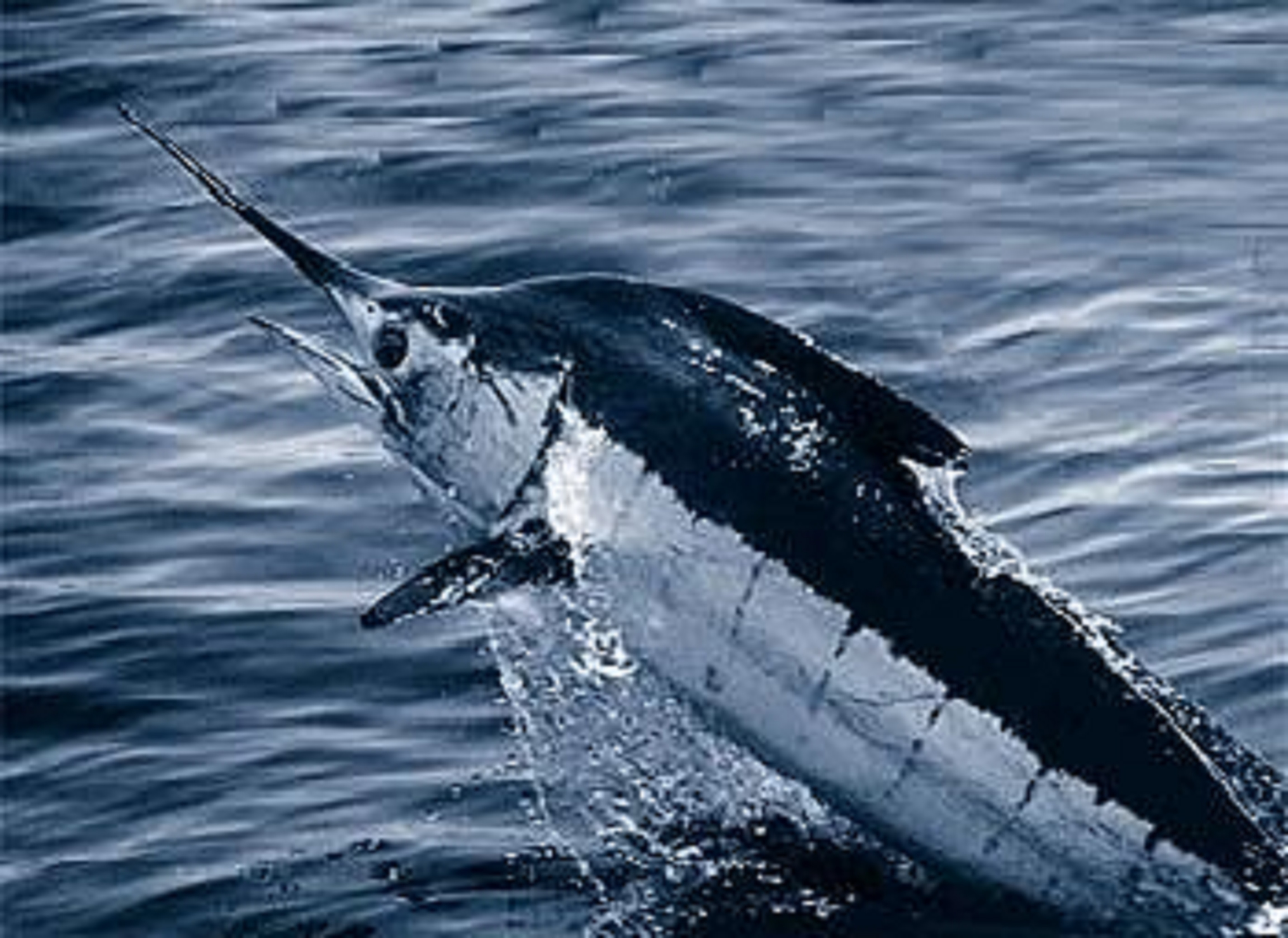
It's really an amazing accomplishment how much texture and depth Hemingway is able to bring to an almost embarrassingly simple narrative: old fisherman who has run out of luck lands the fish of his life, loses it to sharks and enters the realm of legend by bringing back evidence of his catch.

This novel continues to see moderate circulation in our library.  I think it offers an accessible way into the work of Hemingway for young people, whereas his more adult novels like Farewell to Arms can feel like alien territory to a young reader.