Showing posts with label Nobel Prize literature. Show all posts

Friday, May 28, 2021

Long Book Sad War


For Whom the Bell Tolls
by Ernest Hemingway
New York : Scribner Paperback Fiction, 1995, c1940.
 471 p. ; 21 cm.     

I have to be honest, I didn't really plan to read this book, but after watching the PBS series on Hemingway, and then reading a book from our library about the Spanish Civil War, I was curious to read this novel of his. 

I found the PBS series problematic in many ways. It overly lionized Hemingway, and tended to minimize what an awful and incredibly sexist person he was.  But there was great footage and lots of other information worth taking in about this really important literary figure.  

I initially sat down to read just excerpts of the novel, but the writing is compelling and I ended up enjoying reading it, even when I felt like the movement of narrative was overly ponderous.  Like Mario Vargas Llosa in the documentary, I too felt that the love affair in the novel was overwrought, immature and something of a distraction.  However, the portrayal of characters in the guerrilla band that the main character works with and the ludicrous characters running the war for the Republic are really strong points of the novel.  Hemingway's ability to convey the moral degradations and salvations of people at war are also striking. And knowing as we do that the fascists triumph in Spain, it is sometimes exquisitely painful to read this novel that was written before the outcome was determined. 

I can't say I would recommend this book to a student, but occasionally students pick Hemingway for their senior literary research paper and I'm glad I'll have read this as a point of reference going forward.  


Monday, August 31, 2015

Snow Days

Snow by Orhan Pamuk
New York : Everyman's Library, 2011, c2004.
xxvii, 460 p. ; 22 cm.

I've had my eye on this novel for a while, and figured summer was a good time to read it.  I was interested in reading some international literature (and so the Mahfouz book) and thought that Pamuk might serve as an interesting window into Turkish culture.

I was not disappointed.  This is a rich and vibrant book.  Though published originally in 2002, the novel is very contemporary and relevant today.  Though the narrative thread of the novel is an exiled poet returning to a small provincial town in search of his lost love - it is very much a story of politics and religion. There are subplots involving headscarves, Islamic fundamentalism, coups, and political violence.  Also it is a story of exile, nostalgia, desire, and betrayal.  Reading Pamuk's novel, I could see why he was a Nobel laureate in 2006.

Pamuk is a great story-teller and his novel is wonderfully descriptive and evocative, and also deeply humane.  With Turkey frequently in the news these days because of politics, religion and international events - this novel makes for a fine and timely read.

I would recommend it to a student wanting to read international literary works, but many students might find it a bit slow and not so relevant to their own lives.

Friday, August 28, 2015

Bleak and Beautiful

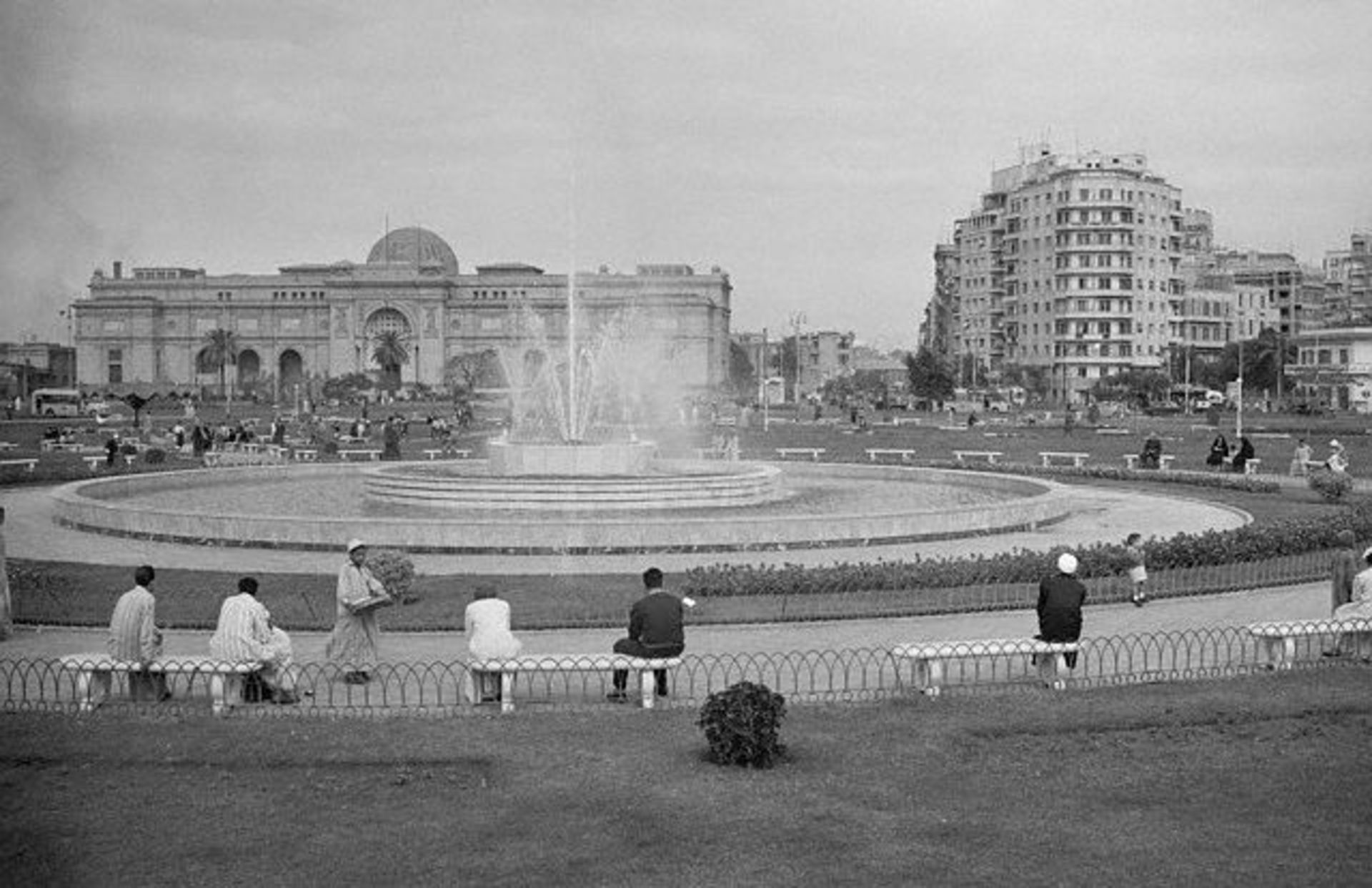
The Thief and the Dogs by Naguib Mahfouz
New York : Anchor Books, 2008, c1984
158 p. ; 21 cm.

Mahfouz won the Nobel Prize for literature in 1988, and this little gem of a novel gives an example of why.

It is the tale of a man emerging from four years of harsh and humiliating imprisonment, only to find that his wife and her new lover are the ones who betrayed him to the police, and that his criminal mentor is a hypocrite and a man of means and power.   Bent on revenge, Said Mahran ends up destroying the only treasure he has left, his humanity.

In it's short, but intense meditation on the human spirit, this novel reminds me of another Nobel laureates fine little novel, Hemingway's Old Man and the Sea.

I really appreciated this novel of set in 1950s Egypt.  It is straightforward, compelling, and easy to finish, but leaves you with a lot to sit back and think about.


Thursday, January 10, 2013

A Hard Look at Blue Eye

The Bluest Eye by Toni Morrison
New York : Vintage International, 2007, c1970
xiii, 205 p. ; 21 cm. 

The first thing to say about this novel, by Nobel Prize winning author, Toni Morrison, is that it is an amazing first novel. It richly conveys the texture of the lives of three African American girls in a town in Ohio in the 1940s - focusing on one especially pitiful girl, Pecola, who is treated by all as "ugly" and is obsessed with wanting blue eyes.

It is a gritty novel of childhood cruelties, bonds of sisterhood, the dynamics of race, class and sexism.  Poverty, incest, domestic violence, alcoholism, pedophilia and prostitution all come under scrutiny in Morrison's tale.

For me the most vexing aspect of the novel revolves around a male character who rapes his daughter.  The author ventures to enter into the mind of the perpetrator and - frankly - ends up creating a false and "artistic" artifact out of this act of sexual violence.  I say this with some trepidation, realizing that all artists take risks in trying to enter into scenarios and personalities that are radically distinct from their own. Often such risks produce stunning works of art.  However, my assessment is that Morrison grossly misses the mark on this one, and ends up with a rather fanciful, empathetic, and even sympathetic portrayal of the rapist. 

Considered as part of the body of work of Morrison, Bluest Eye, is definitely worth reading and, as I said is a powerful and very readable book.  I just think it deserves a hard look at it's shortcomings.  As I told a friend, my feeling after reading the book [regarding the character who commits the incest/rape] was, "She doesn't know what she's talking about.  She doesn't have any business going there...."